Journal of Clinical and Biomedical Sciences
DOI: 10.58739/jcbs/v16i2.25.editorial
Year: 2026, Volume: 16, Issue: 2, Pages: 1-4
Editorial
Rajashekar T S 1, Suresh2, Hanumanthayya K 1*
1Professor, Dermatology Department, Sri Devaraj Urs Medical College, Tamaka, Kolar– 563103, Karnataka, India.
2Professor & HOD, Dermatology Department, Sri Devaraj Urs Medical College, Tamaka, Kolar – 563103, Karnataka, India
*Corresponding Author
Email: [email protected]
Received Date:03 June 2026, Accepted Date:05 June 2026, Published Date:15 June 2026
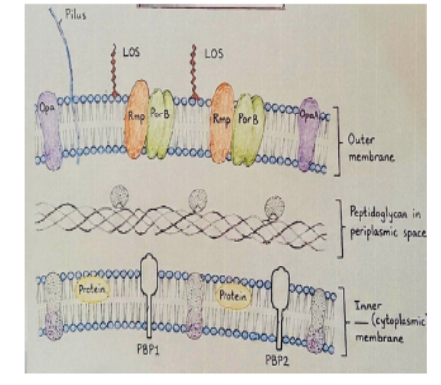
Human ancestors harbored many of the bacteria (fungi, viruses, & parasites) on their body and also within the body. These bacteria were friendly and thankful to the host. These bacteria got good shelter and nutrition from the host. Bacteria were helping our ancestors, to understand normal and friendly bacteria. Training our immune system to recognize harmful bacteria and destroy them. These bacteria were fighting with harmful bacteria for the space and nutrition. These bacteria are called commensals. If the body’s immune system comes down, these commensals may utilize the opportunity and may become pathogenic (opportunistic). To name few commensal organisms on human body are 1) Staphylococcus epidermidis in skin, 2) Cutibacterium acnes in hair follicles, 3) Streptococcus mutans and Streptococcus salivarius in oral cavity, 4) Escherichia coli in GI tract, 5) Lactobacillus crispatum and Lactobacillus iners in vagina along with commensal Neisseria species (N lactamica, and N mucosa)[1]. Neisseria gonorrhoeae (Ng) species modified itself so well; initially it was a humble pathogen, susceptible to sulfonamides. Over the years, slowly it developed tricks to evade the immune attack, and developed resistance to all the antibiotics which were used to treat it. Today WHO and all researchers call such organisms “Superbug”[2].
Keywords: Gonococcus, Protein 1, Protein 2, Protein 3, Pili, OMV (Outer Membrane Vesicles)
1. Limon JJ, Skalski JH, Underhill DM. Commensal Fungi in Health and Disease. Cell Host & Microbe. 2017; 22 (2). Available from: https://doi.org/10.1016/j.chom.2017.07.002
2. Zhu W, Cardenas-Alvarez MX, Tomberg J, Little MB, Duncan JA, Nicholas RA. Commensal Neisseria species share immune suppressive mechanisms with Neisseria gonorrhoeae. Plos One. 2023; 18 (4). Available from: https://doi.org/10.1371/journal.pone.0284062
3. National Center for Biotechnology Information. PubChem Taxonomy Summary for Taxonomy 485, Neisseria gonorrhoeae. 2026; Available from: https://pubchem.ncbi.nlm.nih.gov/taxonomy/Neisseria-gonorrhoeae
4. Negi R, Sharma B, Kaur T, Jyothi SR, Gupta A, Thakur N, et al. Pseudomonadota: Biodiversity, functional annotation for plant growth and biotechnological applications for agro-environmental sustainability. Ecological Frontiers. 2026; 46 (2). Available from: https://doi.org/10.1016/j.ecofro.2025.10.017
5. Yeshanew AG, Geremew RA. Neisseria Gonorrhoeae and their antimicrobial susceptibility patterns among symptomatic patients from Gondar town, North West Ethiopia. Antimicrobial Resistance & Infection Control. 2018; 7 (1). Available from: https://doi.org/10.1186/s13756-018-0376-3
6. Ram S, Rice PA. Gonococcal infections. Harrisons Principles of Internal Medicine. 2025; 1:1234-47.
7. Quillin SJ, Seifert HS. Neisseria Gonorrhoeae host adaptation and pathogenesis. Nature Reviews Microbiology. 2018; 16 (4). Available from: https://doi.org/10.1038/nrmicro.2017.169
8. Manca B, Buffi G, Magri G, Del Vecchio M, Taddei AR, Pezzicoli A, et al. Functional characterization of the gonococcal polyphosphate pseudo-capsule. PLOS Pathogens. 2023; 19 (5). Available from: https://doi.org/10.1371/journal.ppat.1011400
9. Apicella MA, Edwards JL, Ketterer MR, Weiss DS, Zhang Y, Jen FE, et al. The phospholipase A of Neisseria gonorrhoeae lyses eukaryotic membranes and is necessary for survival in neutrophils and cervical epithelial cells. mBio. 2024; 15 (10). Available from: https://doi.org/10.1128/mbio.02425-24
10. Patrone JB, Stein DC. Effect of gonococcal lipooligosaccharide variation on human monocytic cytokine profile. BMC Microbiology. 2007; 7 (1). Available from: https://doi.org/10.1186/1471-2180-7-7
11. Jones RA, Jerse AE, Tang CM. Gonococcal PorB: a multifaceted modulator of host immune responses. Trends in Microbiology. 2024; 32 (4). Available from: https://doi.org/10.1016/j.tim.2023.10.002
12. Cole JG, Fulcher NB, Jerse AE. Opacity proteins increase Neisseria gonorrhoeae fitness in the female genital tract due to a factor under ovarian control. Infection and Immunity. 2010; 78 (4). Available from: https://doi.org/10.1128/iai.00996-09
13. Gulati S, Mu X, Zheng B, Reed GW, Ram S, Rice PA. Antibody to Reduction Modifiable Protein Increases the Bacterial Burden and the Duration of Gonococcal Infection in a Mouse Model. Journal of Infectious Diseases. 2015; 212 (2). Available from: https://doi.org/10.1093/infdis/jiv024
14. Holley CL, Dhulipala V, Maurakis SA, Greenawalt AN, Read TD, Cornelissen CN, et al. Transcriptional activation of ompA in Neisseria gonorrhoeae mediated by the XRE family member protein NceR. mBio. 2023; 14 (4). Available from: https://doi.org/10.1128/mbio.01244-23
15. Powell AJ, Tomberg J, Deacon AM, Nicholas RA, Davies C. Crystal Structures of Penicillin-binding Protein 2 from Penicillin-susceptible and -resistant Strains of Neisseria gonorrhoeae Reveal an Unexpectedly Subtle Mechanism for Antibiotic Resistance. Journal of Biological Chemistry. 2009; 284 (2). Available from: https://doi.org/10.1074/jbc.m805761200
16. Kenney CD, Cornelissen CN. Demonstration and Characterization of a Specific Interaction between Gonococcal Transferrin Binding Protein A and TonB. Journal of Bacteriology. 2002; 184 (22). Available from: https://doi.org/10.1128/jb.184.22.6138-6145.2002
17. Punsalang Jr AP, Sawyer WD. Role of Pili in the Virulence of Neisseria gonorrhoeae. Infection and Immunity. 1973; 8 (2). Available from: https://doi.org/10.1128/iai.8.2.255-263.1973
18. Schoolnik GK, Fernandez R, Tai JY, Rothbard J, Gotschlich EC. Gonococcal pili. Primary structure and receptor binding domain.. The Journal of experimental medicine. 1984; 159 (5). Available from: https://doi.org/10.1084/jem.159.5.1351
19. Fifer H, Johnson A. The continuing evolution of antibiotic resistance in Neisseria gonorrhoeae: past, present and future threats to effective treatment. Journal of Antimicrobial Chemotherapy. 2025; 80 (5). Available from: https://doi.org/10.1093/jac/dkaf109
20. Patel AL, Chaudhry U, Sachdev D, Sachdeva PN, Bala M, Saluja D. An insight into the drug resistance profile & mechanism of drug resistance in Neisseria gonorrhoeae. Indian Journal of Medical Research. 2011; 134 (4). Available from: https://pmc.ncbi.nlm.nih.gov/articles/PMC3237238/
21. Hamilton HL, Dillard JP. Natural transformation of Neisseria gonorrhoeae: from DNA donation to homologous recombination. Molecular Microbiology. 2006; 59 (2). Available from: https://doi.org/10.1111/j.1365-2958.2005.04964.x
This is an open-access article distributed under the terms of the Creative Commons Attribution License, which permits unrestricted use, distribution, and reproduction in any medium, provided the original author and source are credited.
Published By Sri Devaraj Urs Academy of Higher Education, Kolar, Karnataka
Subscribe now for latest articles and news.